
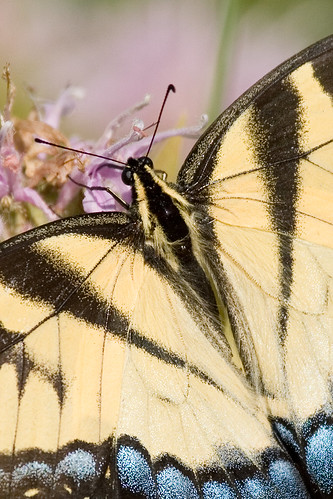

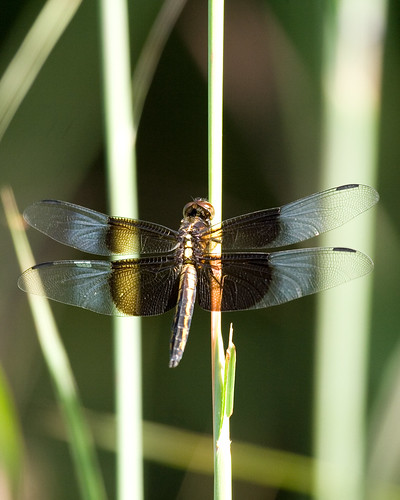
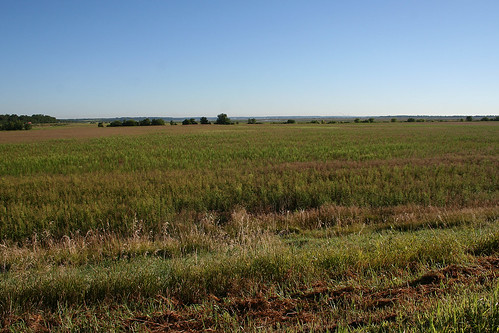
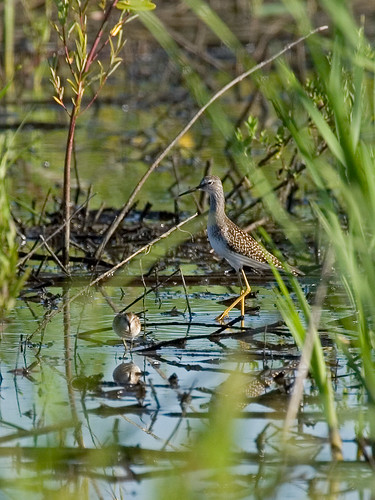
The last week in August was hot and humid in Illinois, and that is the week that the Illinois Natural History Survey (INHS) held their summer Illinois Wilds Institute for Nature (IWIN) Workshop, Dragonflies, Butterflies, and Skippers, at the Lost Mound INHS field station. 40 or so adults from all over Illnois (and one couple from Iowa!) braved the steamy weather to learn more about these wonderful creatures.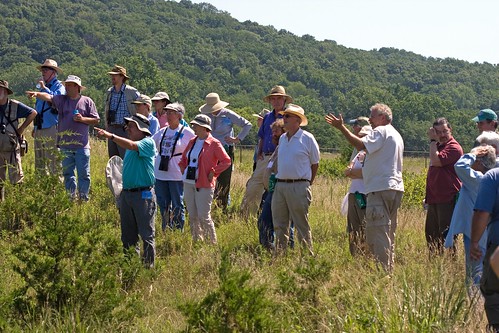
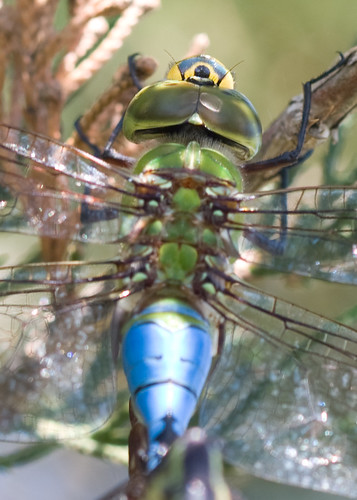
CommonGreenDarnerWheel-LM-N0000287s
Originally uploaded by jward199
Golden colored damselflies mating in wheel position. I couldn't keep them both in the plane of focus. First one, then the other, then the male flew them to another blade, without losing their wheel position, however, it was out of my reach.
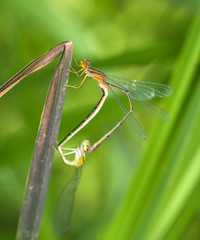
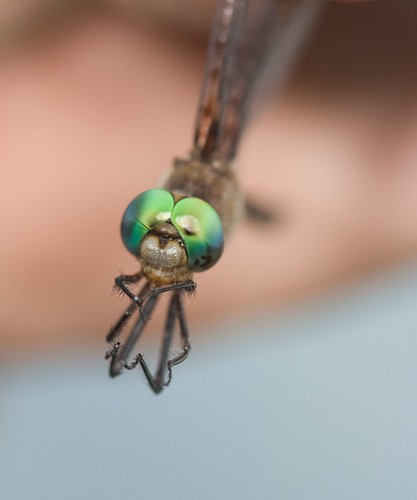
Is this a Blue Dasher? Those green eyes! I have no notes and no other photos. How beautiful, though unidentified.
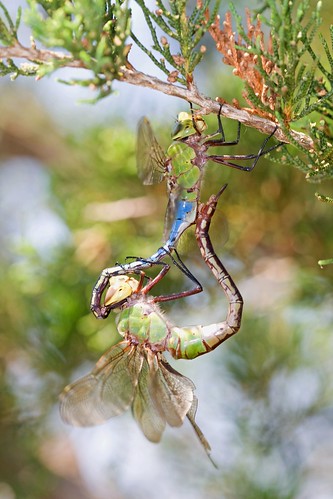
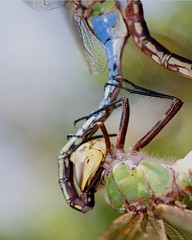
View from below of the mating green darners in the wheel position.
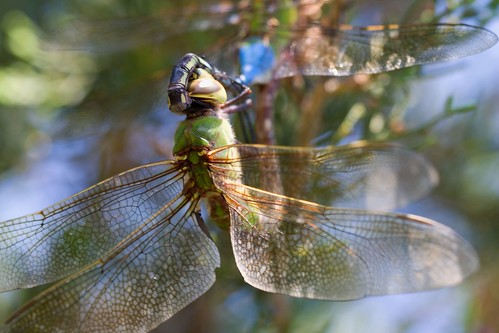
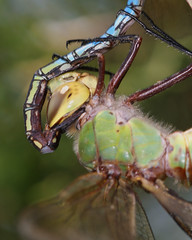
Close-up, cropped view of the male, then a cropped view of the male clasping the female's head during mating.
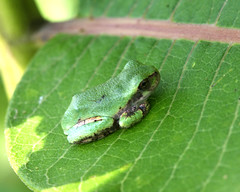
A tiny green tree frog hiding in the cool shade of the milkweed plant.
Lily pads, each their own little world, floating on the shallow backwaters of the Mississippi.




A Great Blue Heron stood still as I drove past the small pond on the way to the boat ramp at Bell's Landing.
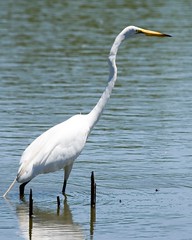
I stopped by Mendenhall road on my way back to Peoria. The water is down again and egrets and herons have returned.
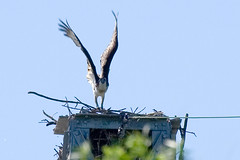
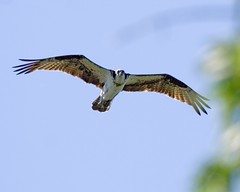
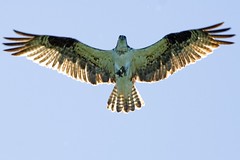
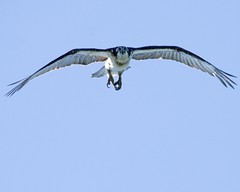
I walked along the dike at Banner Marsh to check on the osprey nest. One of the adults was sitting on the edge of the nest. He or she spotted me and flew out over me in a threatening way. I retreated behind the tree line. After a few minutes of photographing a Goldfinch, I went back for another look at the nest, trying to stay behind the trees. The bird spotted me and again flew out over me in a threatening way. I didn't want to disturb it any more than I already had, so I walked back to the car. I think there must be babies in the nest, although I didn't see them. I'm surprised that they haven't fledged by now. This nest is very large and deep enough to hide the young birds. From the adult's behavior I'd say the babies are still in there.
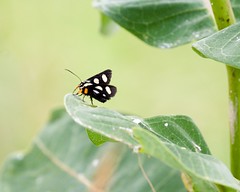
This butterfly turned out to be a moth. It was wandering around the milkweed along one of the old farm canals on the east side of Thompson Lake, near the now under water Pumphouse Road.
Alypia octomaculata; Owlet Moth Family Noctuidae; Forester Moth Subfamily Agaristinae
From eNature.com (Click title above to link to the article).
"Adults fly in bright daylight and are often mistaken for butterflies. The caterpillars spin thin cocoons of silk and litter or wood chips on the ground or in tunnels cut into wood. There is 1 generation a year."
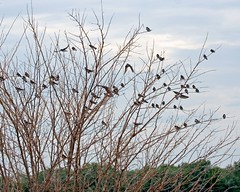
Thousands of Bank Swallows were swarming over the waters of Thompson Lake, landing briefly in the few trees and shrubs that still exist along the farming canals in the center of Thompson Lake.
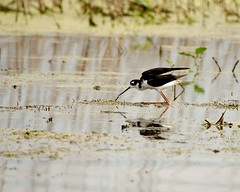
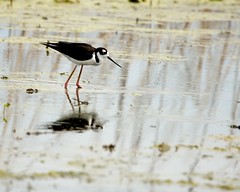
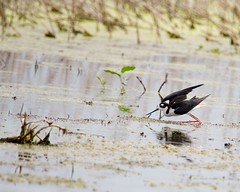
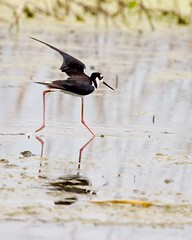
This summer of 2008 a dozen or more Black-necked Stilts have been inhabiting one of the canals left from the farming where Thompson Lake now resides. I was fortunate to catch a ride on a tour given by The Nature Conservancy after a day of volunteer work planting Cardinal Flowers in the wet prairie around Thompson Lake.
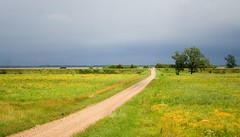
As the storm passed through the Emiquon valley, a golden light seeped in over the prairie.

Looking towards Canton from the Prairie Road, just after a great thunder and lightning storm passed over Emiquon.
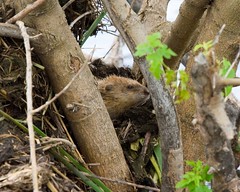
This muskrat had his/her eye on me as we passed the den in our pontoon boat.
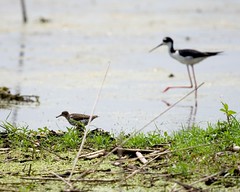
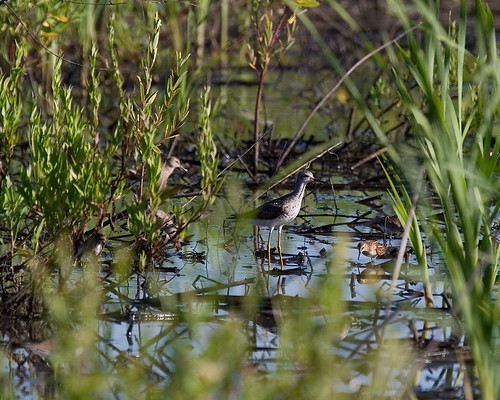
A Spotted Sandpiper was peeping around with the Black-necked Stilts at Thompson Lake, Emiquon Preserve, on July 11, 2008.
